
Freemasonry
Helping Good Men Become Better
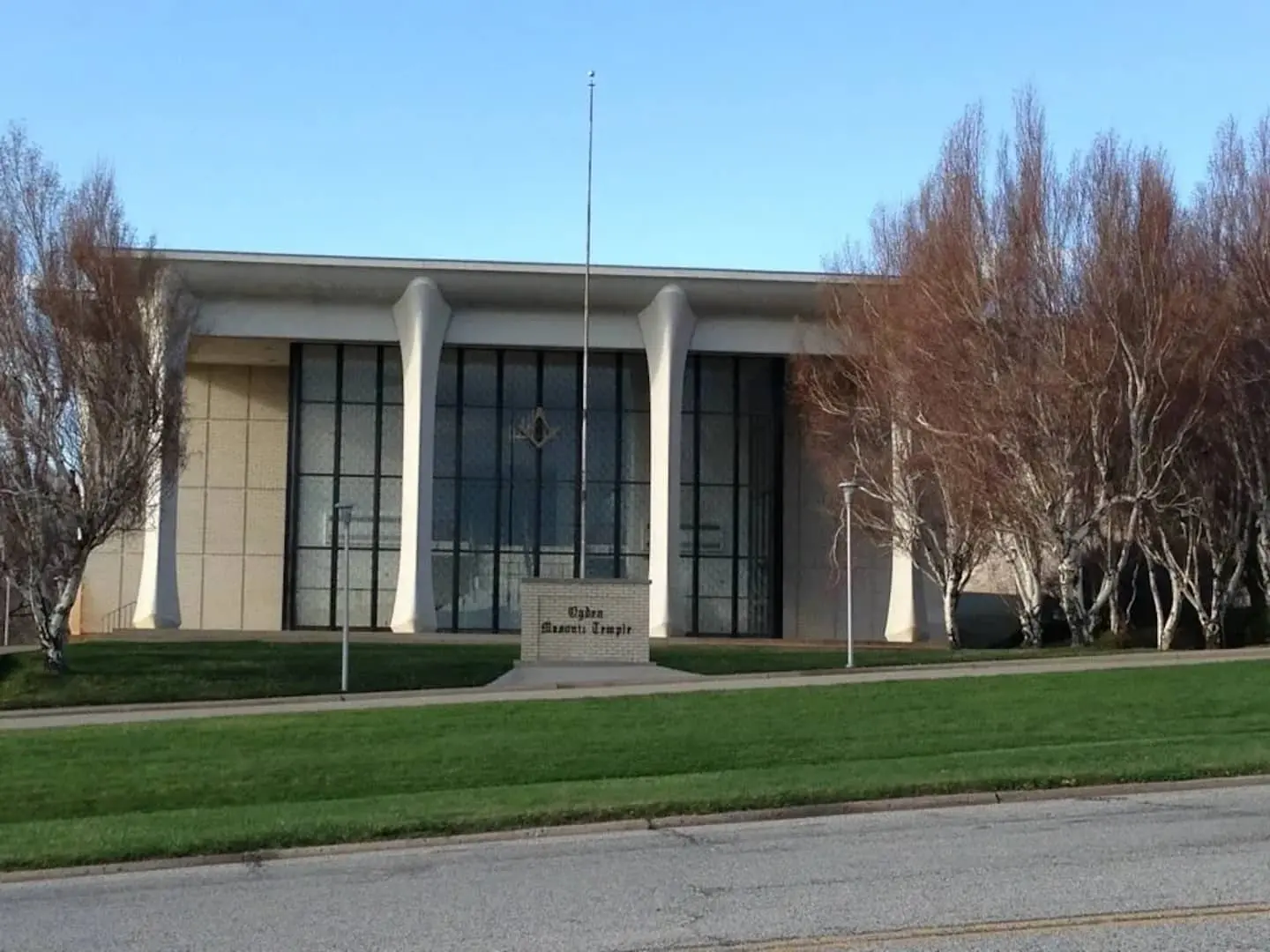
Unity Lodge #18 in Ogden, Utah, is a Masonic Lodge with a long-standing tradition of promoting the values and principles of Freemasonry.
Freemasonry Helps Men
Building Character, Community, and Leadership Skills.
Integrity
Emphasizing ethical behavior and moral principles in all aspects of life.
Brotherhood
Fostering a sense of unity and support among members through mutual respect and camaraderie.
Leadership
Develop skills in guiding and inspiring others through active involvement and responsibility within the Lodge.
Charity
Encouraging acts of kindness and philanthropy to support and uplift the community.
Notable Freemasons
From all walks of life.

George Washington
First President of the United States.

Benjamin Franklin
Founding Father of the United States, inventor, and writer.

Voltaire
French Enlightenment writer and philosopher.


FAQs
Frequently Asked Questions
Have questions? We’re here to help you.
No.
Masonry is not a religion by the definitions most people use. Religion, as the term is commonly used, implies several things: a plan for salvation or path by which one reaches the after-life; a theology which attempts to describe the nature of God; and the description of ways or practices by which a man or woman may seek to communicate with God. Masonry does none of those things. We offer no plan of salvation. Except saying that He is a loving Father who desires only good for His children, we make no effort to describe the nature of God. And while we open and close our meetings with prayer, and we teach that no man should ever begin any important undertaking without first seeking the guidance of God, we never tell a man how he should pray or for what he should pray. Instead, we tell him that he must find the answers to these great questions in his own faith, in his church or synagogue or other house of worship. We urge men not to neglect their spiritual development and to be faithful in the practice of their religion.
"Freemasonry has no dogma or theology. It teaches that it is important for every man to have a religion of his choice and to be faithful to it. A good Mason is made even more faithful to the tenets of his faith by membership." Rev. Norman Vincent Peale, who was also a Mason.
Masonry (or Freemasonry) is the oldest fraternity in the world. No one knows just how old it is because the actual origins have been lost in time. Probably, it arose from the guilds of stonemasons who built the castles and cathedrals of the Middle Ages. Possibly, they were influenced by the Knights Templar, a group of Christian warrior monks formed in 1118 to help protect pilgrims making trips to the Holy Land.
In 1717, Masonry created a formal organization in England when the first Grand Lodge was formed. A Grand Lodge is the administrative body in charge of Masonry in some geographical area. In the United States, there is a Grand Lodge in each state and the District of Columbia. In Canada, there is a Grand Lodge in each province. Local organizations of Masons are called lodges. There are lodges in most towns, and large cities usually have several. There are about 13,200 lodges in the United States.
That’s not a surprising question. Even though Masons (Freemasons) are members of the largest and oldest fraternity in the world, and even though almost everyone has a father or grandfather or uncle who was a Mason, many people are not quite certain just who Masons are.
The answer is simple. A Mason (or Freemason) is a member of a fraternity known as Masonry (or Freemasonry). A fraternity is a group of men (just as a sorority is a group of women) who join together because:
- There are things they want to do in the world.
- There are things they want to do inside their own minds.
- They enjoy being together with men they like and respect.
The person who wants to join Masonry must be a man (it’s a fraternity), sound in body and mind, who believes in God, is at least the minimum age required by Masonry in his state, and has a good reputation. (Incidentally, the "sound in body" requirement – which comes from the stonemasons of the Middle Ages – doesn’t mean that a physically challenged man cannot be a Mason; many are).
Those are the only "formal" requirements. But there are others, not so formal. He should believe in helping others. He should believe there is more to life than pleasure and money. He should be willing to respect the opinions of others. And he should want to grow and develop as a human being.
No. In fact, most Masons believe that to trade with a Brother Mason only because he is a Mason is un-masonic. Even more importantly, anyone who attempts to join a Lodge solely for business reasons will not be given a petition.
Masons, however, are friends, and it is not surprising that many Masons do trade with Brothers. For one thing, they are dealing with people that are of good character and can be trusted, which is no small statement in the modern marketplace.
But Masonry is not a "place to network". Yes, some men do view one of the benefits of membership as an additional source of customers or partners, but few would say that is the only reason they became Masons. The work involved in the degrees alone would make this a poor investment - better to join the Rotary Club or other business group.
Words of Wisdom
Freemason Quotes
To enlarge the sphere of social happiness is worthy of the benevolent design of a Masonic institution; and it is most fervently to be wished, that the conduct of every member of the fraternity, as well as those publications, that discover the principles which actuate them, may tend to convince mankind that the grand object of Masonry is to promote the happiness of the human race.
George Washington
I am always ready to learn although I do not always like being taught.
James Watt

The Grand Architect of the Universe, the Great Creator, is always at work in the world. Freemasonry, by its teachings, helps us to understand and appreciate His handiwork.
George Washington
To be humble to superiors is a duty, to equals courtesy, to inferiors nobleness.
Benjamin Franklin
Music, even in situations of the greatest gloom, will always help us to remember the divine.
Wolfgang Amadeus Mozart

Courage is being scared to death but saddling up anyway.
John Wayne

My chief regret in life is that I have not been able to save more of my friends from the paths of error.
Harry Houdini

I am not one of those who think that an unworthy piece of work can be transformed into a worthy one by a title.
Wolfgang Amadeus Mozart
The pessimist sees difficulty in every opportunity. The optimist sees the opportunity in every difficulty.
Winston Churchill

Courage is what it takes to stand up and speak; courage is also what it takes to sit down and listen.
Winston Churchill
Get In Touch.
Begin Your Masonic Journey
